News
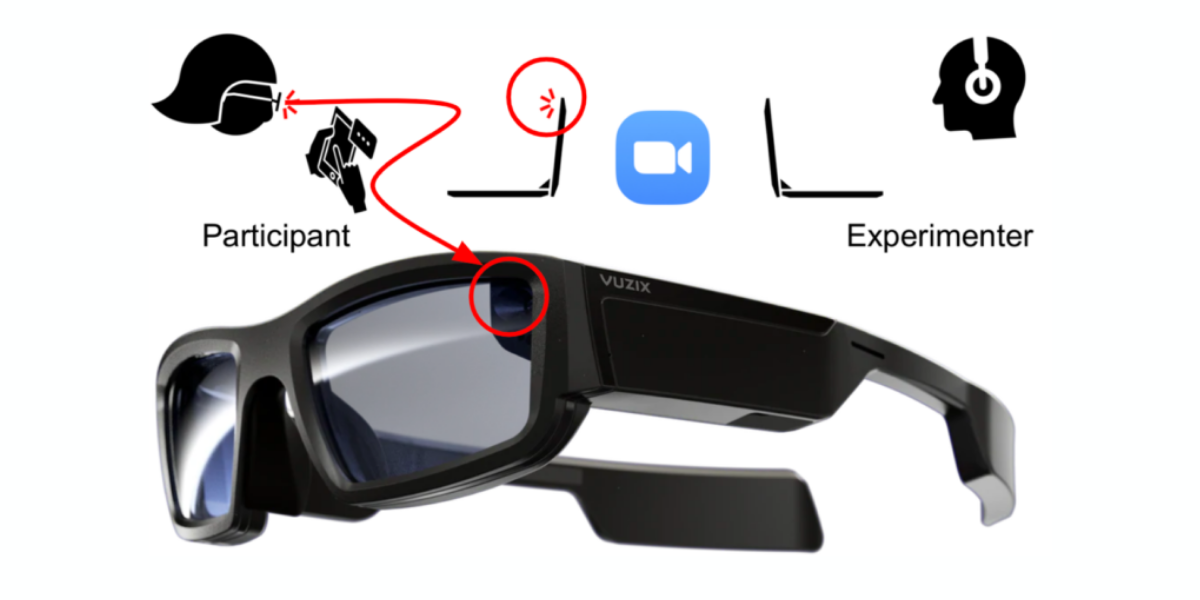
Dual video conferencing in the proposed remote study design. While interacting with a testbed on a smartphone, a blind participant wearing smart glasses communicates with the experimenter through dual video conferencing. Two video streams are being sent to the experimenter: one from the participant’s smart glasses (a pair of Vuzix blade with the camera located on the top right corner) and the other from a laptop camera facing the participant on the same Zoom call.
Covid-19 Pandemic Moves Research on Assistive Technologies From the Lab to People’s Homes
Dr. Hernisa Kacorri’s research on object recognizers with blind participants required a pivot to remote usability testing, leading he …
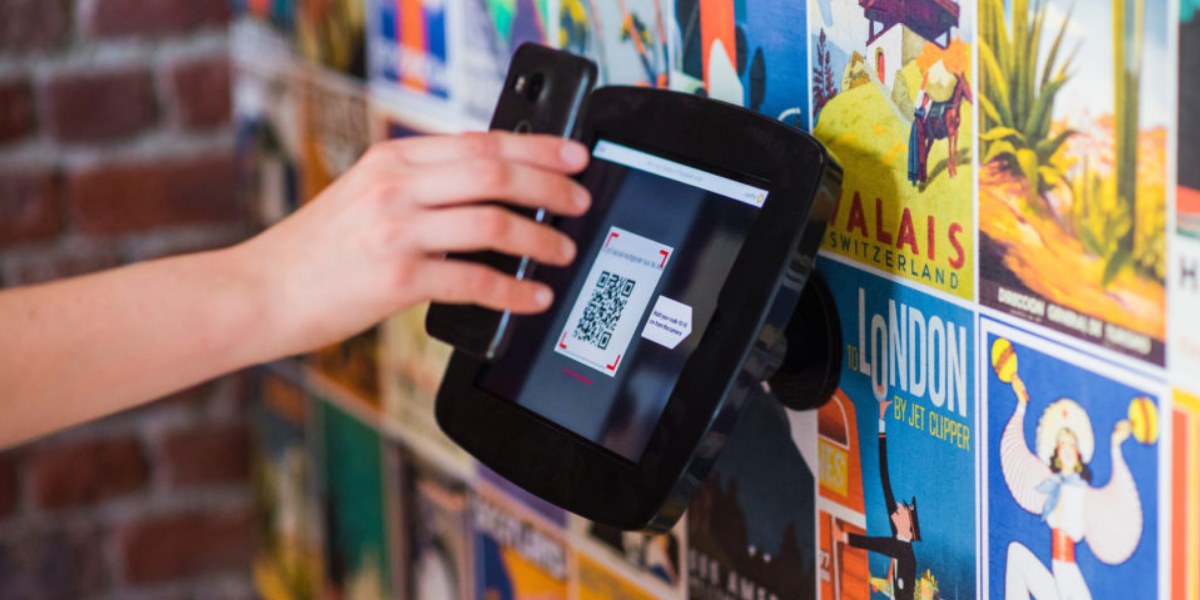
Photo by Proxyclick Visitor Management System on Unsplash
Online-Only Services Offer Safety, But May Limit Access
As a result of the covid-19 pandemic, interaction with websites and apps sometimes become the only way to access certain goods and serv …
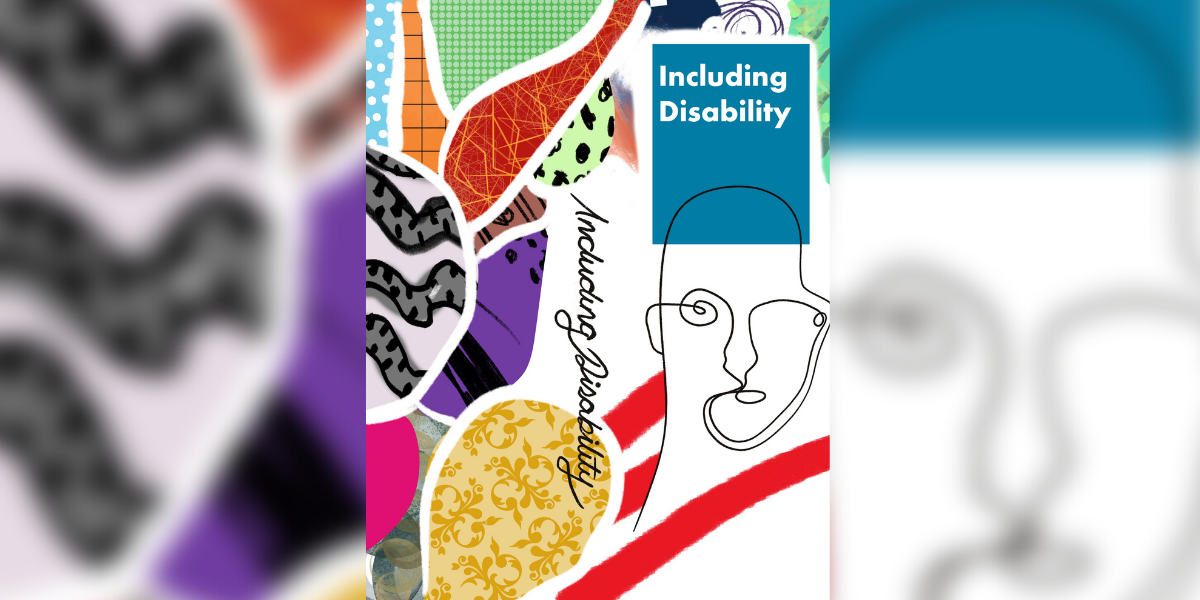
Created by Alex Pilon, Artistic Director, Including Disability
iSchool Faculty and Staff Join Global Team to Launch New Publication
"Including Disability" offers innovative approaches to eliminating systemic barriers and gives voice to disabled people.

MLIS Alumni Spotlight: The Joys of Aging Using VR – Erin Washington, MLIS ‘09
Creating first-person, virtual reality experiences to enhance empathy and address growing issues in the caretaking industry.

HCIL Faculty and Students to Participate in CHI 2022
23 members of the Human-Computer Interaction Lab will present their research at prestigious HCI conference.

Photo by Jonas Leupe on Unsplash
Work on the Use of Intelligent Voice Assistants by Older Adults Wins ACM TOCHI Best Paper Award
The paper by iSchool PhD student Alisha Pradhan, iSchool assistant professor Dr. Amanda Lazar, and University of Washington’s Dr. Lea …
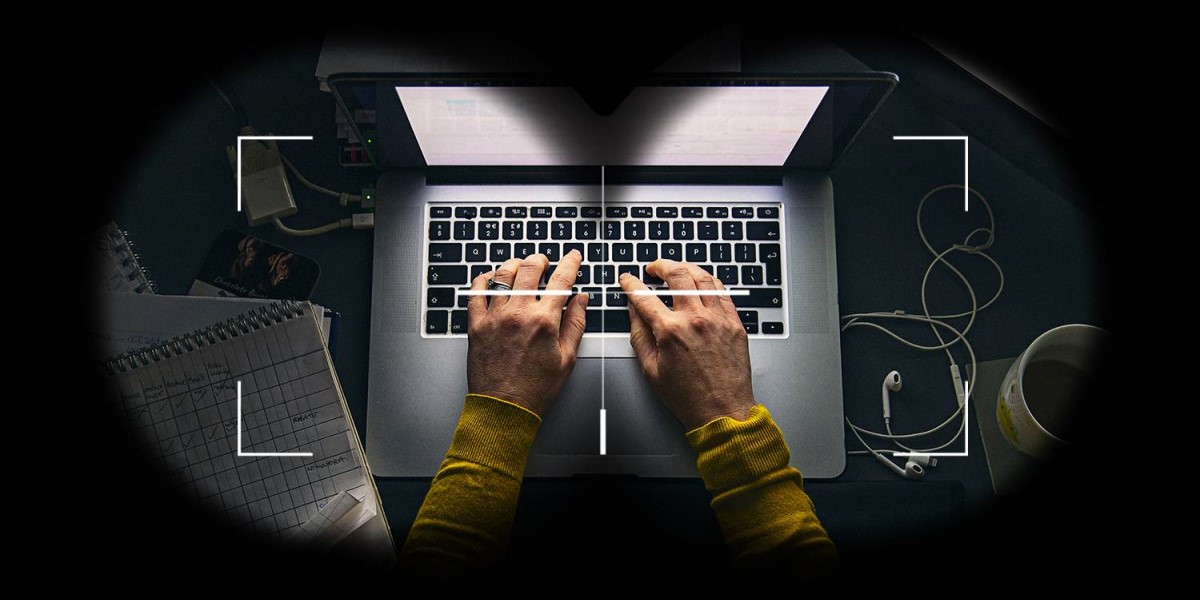
HR Brew: Employee surveillance is exploding with remote work (feat. Jessica Vitak)
Journalist Sam Blum examines how the expansion of worker surveillance runs the risk of shattering employees’ trust.